
A Joliet home can feel perfectly cool in the living room and uncomfortably warm in an upstairs bedroom five minutes later. During a humid Illinois summer, those temperature swings are more than annoying. They often point to airflow, insulation, ductwork, or equipment issues that keep your AC from cooling the house evenly.
Hot and cold spots are common in homes across Joliet, Plainfield, Shorewood, and nearby Will County communities. The good news is that most causes can be found with a careful HVAC inspection and corrected before they turn into bigger comfort or energy problems.
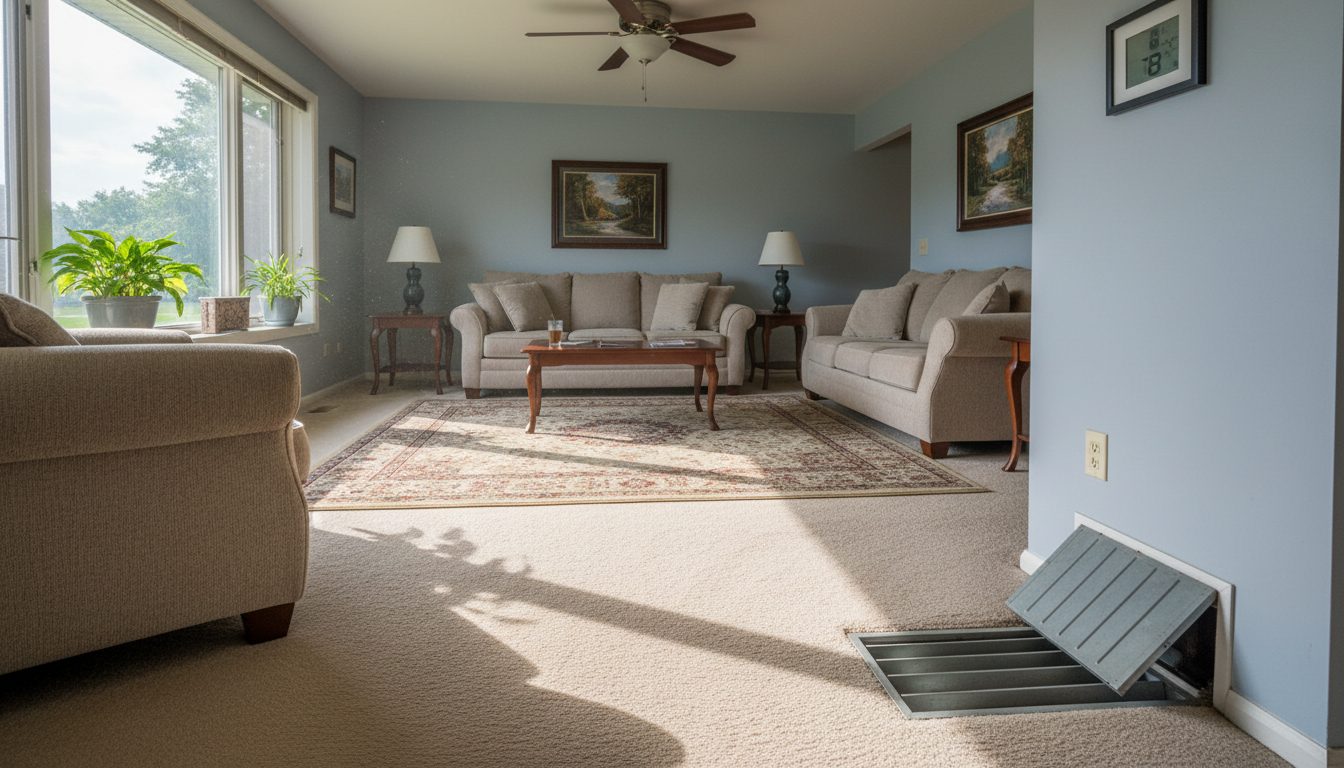 Uneven cooling often starts with airflow problems inside the home.
Uneven airflow is often the first problem to check
Your air conditioner can only cool the rooms it can reach. If one room gets weak airflow while another room gets a strong blast of cold air, the issue may be inside the duct system or at the vents.
Common airflow problems include:
-
Closed or blocked supply vents Furniture, rugs, curtains, and toys can block cool air before it spreads through the room.
-
Dirty return grilles Return vents pull warm indoor air back to the system. If they are blocked or dusty, air circulation drops.
-
Leaky ductwork Gaps in ducts can send cooled air into attics, crawl spaces, or wall cavities instead of bedrooms and living areas.
-
Poor duct design Some older Joliet homes have duct runs that are too long, too narrow, or poorly balanced for today’s cooling needs.
A simple test can reveal a lot. When the AC is running, walk from room to room and feel the airflow from each supply vent. Weak airflow in one area is a strong clue that the system needs balancing, duct repair, or a closer inspection.
Insulation and air leaks let summer heat creep in
Some rooms feel hot because they gain heat faster than the AC can remove it. This is especially common in second-floor bedrooms, rooms over garages, additions, and spaces with large west-facing windows.
Poor insulation allows heat from the attic or exterior walls to move indoors. Air leaks around windows, doors, attic hatches, recessed lights, and wall openings can also pull humid outdoor air into the home.
According to the U.S. Department of Energy, air sealing your home can help reduce drafts and improve comfort. In Joliet’s summer humidity, sealing leaks can also help the AC manage indoor moisture more effectively.
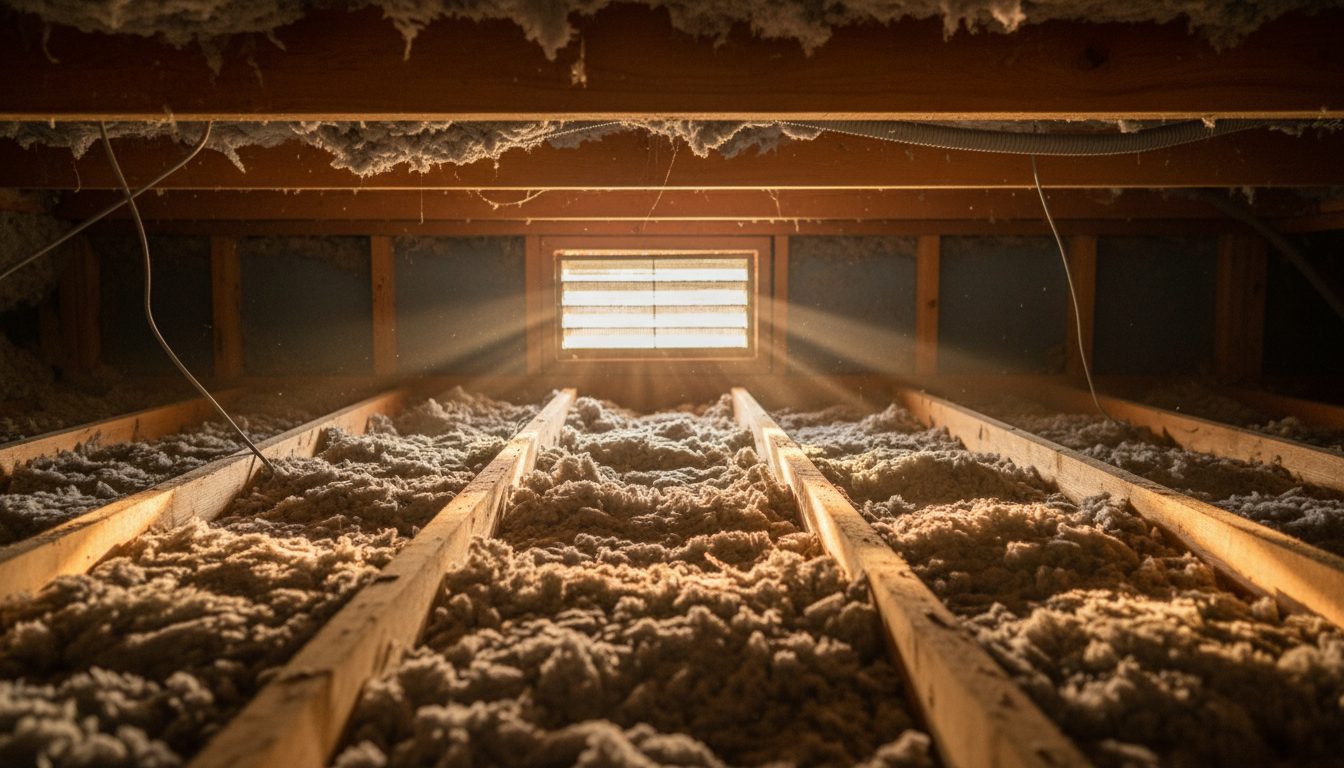 Attic heat can make upstairs rooms harder to cool.
The thermostat may not reflect the whole home
Your thermostat controls the system based on the temperature where it is installed. If it sits in a hallway that stays cool, the AC may shut off before warmer rooms reach the right temperature.
Thermostat location can create comfort problems when it is near:
- A supply vent
- Direct sunlight
- A kitchen or appliance
- An exterior door
- A rarely used hallway
For example, a thermostat on the first floor may be satisfied while upstairs rooms stay several degrees warmer. This does not always mean the AC is failing. It may mean the home needs better airflow, zoning, or thermostat adjustments.
Smart thermostats and remote sensors can help in some homes, but they are not a cure for duct leaks, poor insulation, or undersized equipment.
AC maintenance affects room-to-room comfort
A central air conditioner loses performance when it cannot move air or transfer heat properly. A neglected system may still run, but it may cool unevenly and run longer than it should.
Key maintenance issues include:
- Dirty air filters
- Dusty evaporator coils
- Low refrigerant caused by a leak
- Weak blower performance
- Clogged condensate drains
- Outdoor condenser coils covered with debris
Changing the filter is one of the easiest homeowner tasks. During peak cooling season in Joliet, check it often, especially if there are pets, allergies, nearby construction, or heavy system use.
If the filter is clean but some rooms still feel wrong, professional service can help identify deeper issues. Homeowners searching for services air conditioner hvac repair air conditioning heating and cooling heating and air conditioning heating and ac cooling and heating often need more than a quick filter change. A technician can test airflow, inspect ducts, check refrigerant levels, and evaluate the whole cooling system.
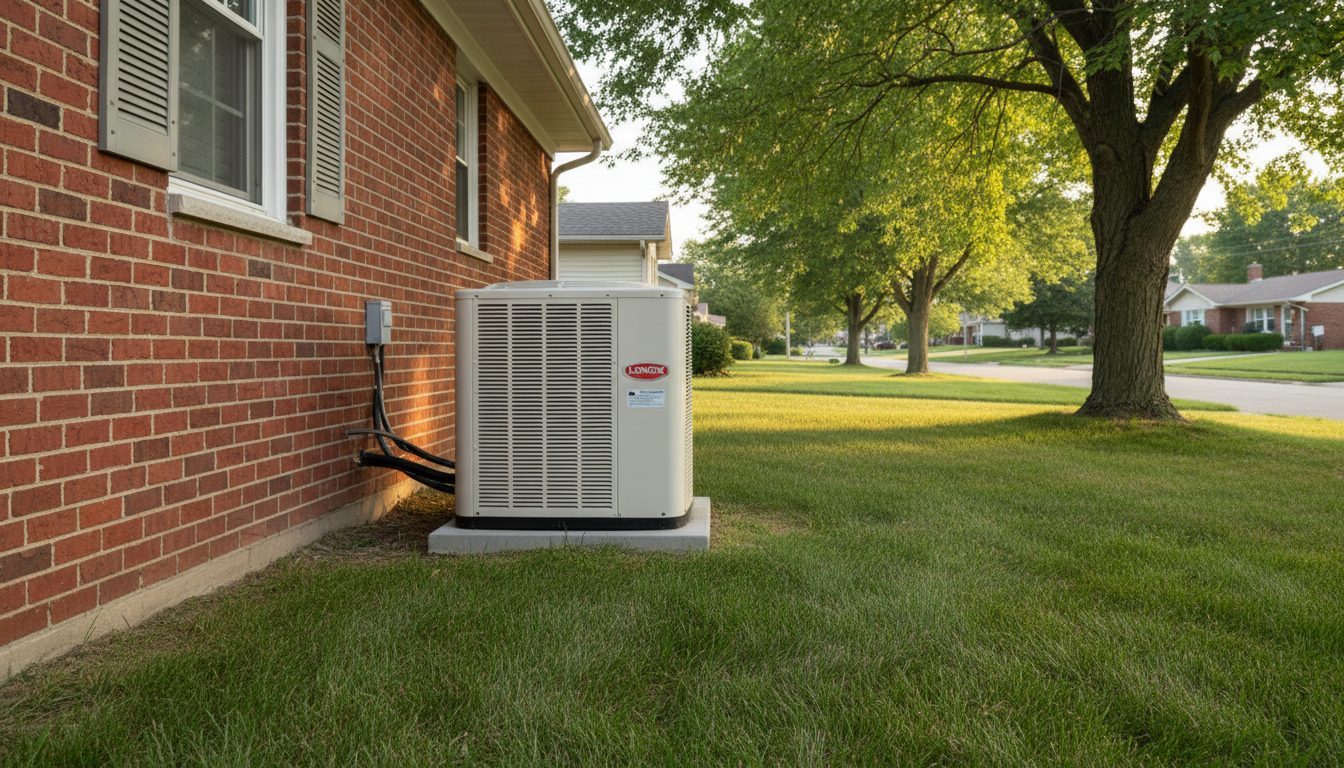 Outdoor AC performance affects comfort in every room.
The AC system may be the wrong size for the home
Bigger is not always better. An oversized AC can cool the area near the thermostat too quickly, then shut off before air circulates through the rest of the house. It may also remove less humidity because it runs in short bursts.
An undersized system has the opposite problem. It may run constantly and still fail to cool the hottest rooms during July and August.
Sizing problems can happen after:
- A home addition
- Finished attic or basement work
- Window replacements
- Insulation changes
- Previous equipment replacement without proper load calculations
A professional load calculation helps determine whether the AC matches the home’s layout, insulation, windows, and cooling demand. This is especially useful in older Joliet homes that have changed over time.
Sun exposure and home layout can create stubborn hot rooms
Some hot spots are caused by the way the home faces the sun. West-facing rooms often absorb intense afternoon heat. Upstairs spaces also tend to be warmer because heat rises and attics can get very hot.
Helpful steps include closing blinds during the hottest part of the day, using ceiling fans correctly, sealing attic bypasses, and making sure attic ventilation is not blocked.
Ceiling fans can improve comfort, but they do not lower the room temperature. They cool people by moving air across the skin. Turn them off in empty rooms to avoid wasting electricity.
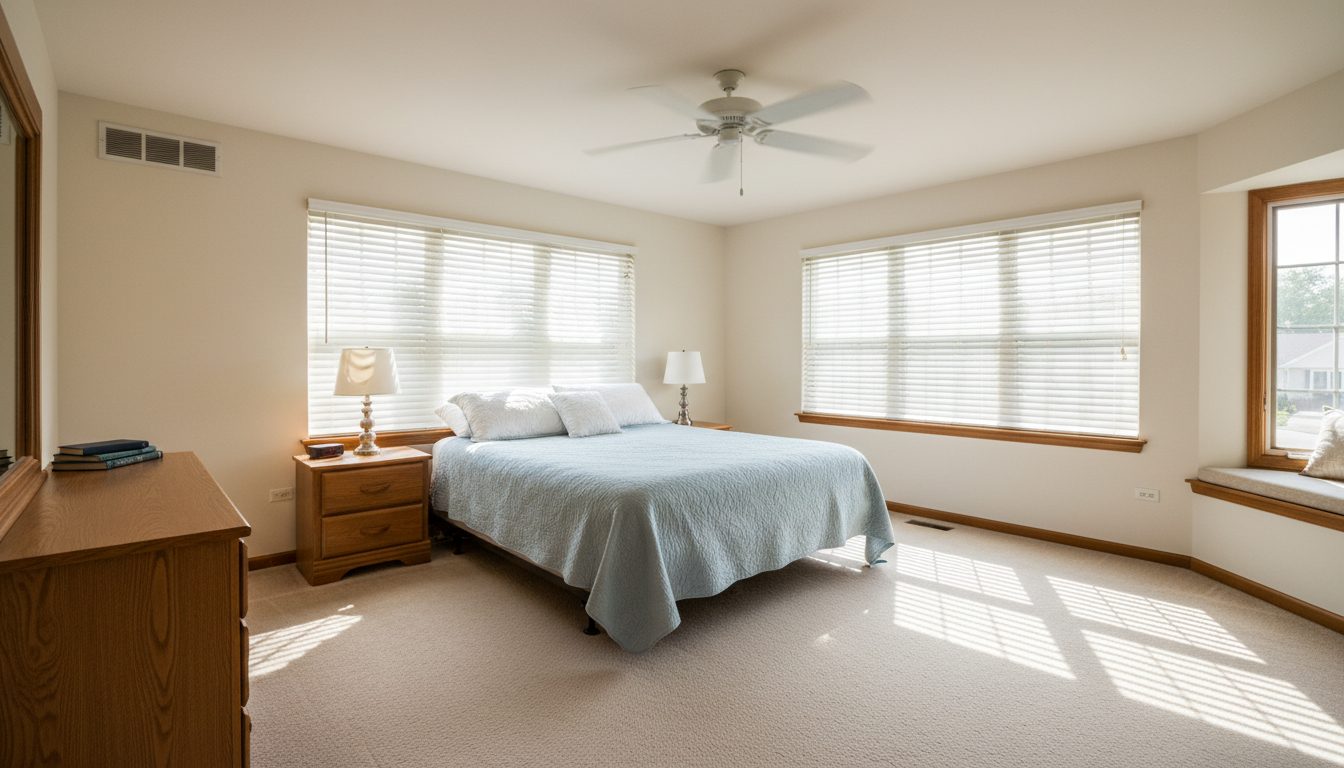 Sun-facing upstairs rooms often need extra attention during Joliet summers.
When to call Zark Heating & Cooling Inc.
If one room is always hot, another is always cold, or the system runs nonstop without keeping the house comfortable, it is time to look beyond the thermostat setting. Hot and cold spots can raise energy bills, strain AC equipment, and make summer in Joliet harder than it needs to be.
Zark Heating & Cooling Inc. can inspect the system, check airflow, look for duct issues, and recommend practical fixes for more even comfort. For local help with cooling problems in Joliet, visit Zark Heating & Cooling Inc. and schedule service before the next heat wave settles in.
A balanced cooling system should make the whole home feel steady, not just the room closest to the thermostat. Start with airflow, insulation, thermostat placement, and maintenance, then bring in a professional if the problem keeps coming back.