
A hot attic can make a good air conditioner feel weak. In Joliet, IL, where summer afternoons can be humid and intense, attic heat often works against the cooling system from the moment it turns on.
When attic temperatures climb, that heat does not stay politely above the ceiling. It radiates downward, leaks through gaps, warms ductwork, and forces the AC to run longer. The result can be higher energy bills, uneven rooms, and a home that never feels as comfortable as the thermostat says it should.
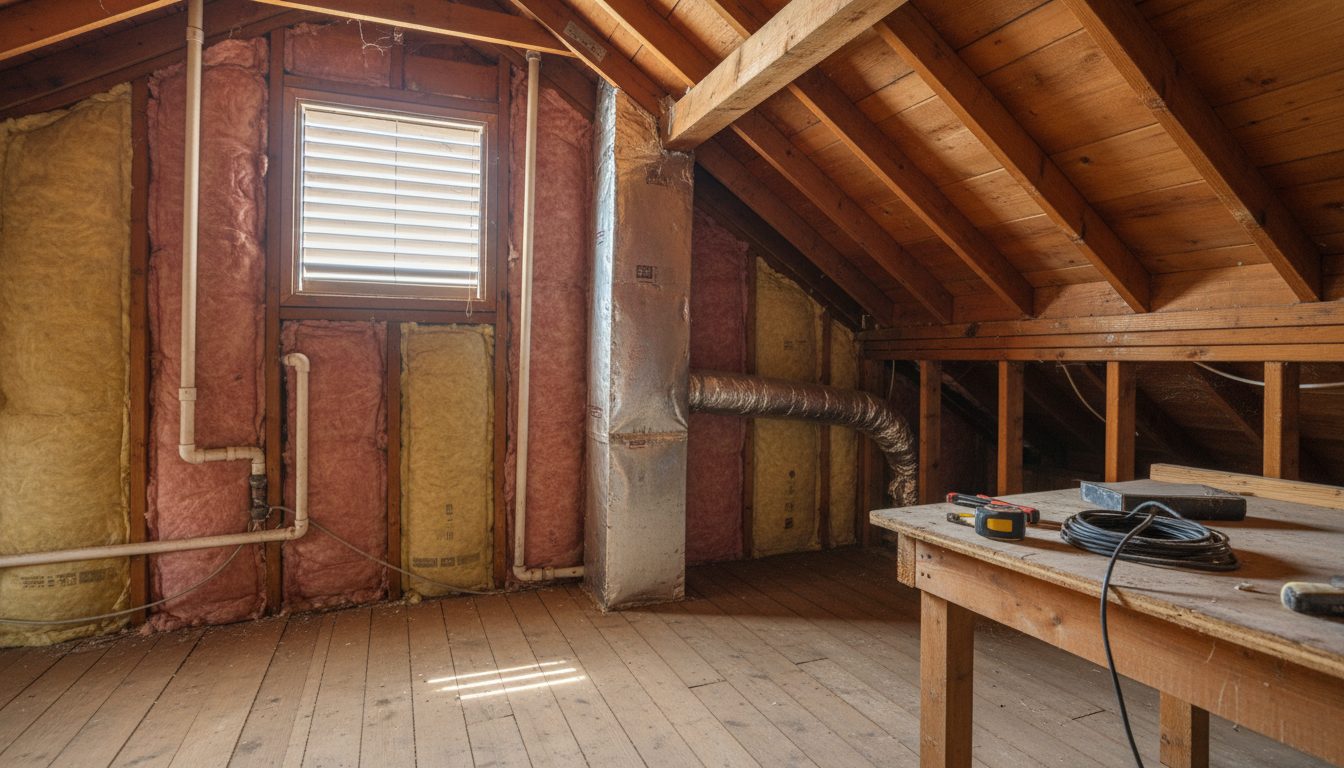 Attic heat can quietly affect comfort throughout the home.
Why attics get so hot in Joliet IL homes
Your roof absorbs solar heat all day. Dark shingles, limited shade, and poor ventilation can raise attic temperatures far above the outdoor temperature. Even if the living space feels shaded and comfortable, the attic may be holding a large pocket of trapped heat.
This matters because the attic usually sits directly above bedrooms, hallways, and living areas. If insulation is thin, compressed, missing, or poorly installed, attic heat pushes into the ceiling below. Small gaps around recessed lights, plumbing chases, attic hatches, and wiring holes make the problem worse.
In many Joliet homes, especially older houses around nearby areas like Crest Hill, Shorewood, and Plainfield, attic conditions can vary widely. Some homes have decent insulation but weak air sealing. Others have vents that exist but do not move enough air. Some have ductwork in the attic, which adds another layer of cooling loss.
Heat moves toward cooler spaces. During summer, that cooler space is your air-conditioned home.
How attic heat hurts cooling performance
Attic heat affects cooling in several ways. The effects often stack together, which is why the AC may seem fine mechanically but still struggle.
It adds heat to the rooms below
If the attic floor is under-insulated, heat radiates through ceilings. Upstairs rooms often feel this first. Bedrooms may stay warm into the evening even after the outdoor temperature drops.
This forces the thermostat to call for more cooling. The AC runs longer, but it is not only fighting outdoor heat. It is also fighting heat stored inside the attic.
It warms ducts and weakens airflow
If your ductwork runs through the attic, hot air surrounding the ducts can warm the conditioned air before it reaches the room. Leaky ducts make the problem worse by spilling cooled air into the attic instead of delivering it indoors.
That can lead to:
- Weak airflow from vents
- Rooms that cool unevenly
- Longer AC cycles
- More wear on the system
- Higher summer energy use
A homeowner may assume the AC is undersized, but the real issue may be heat gain and duct loss above the ceiling.
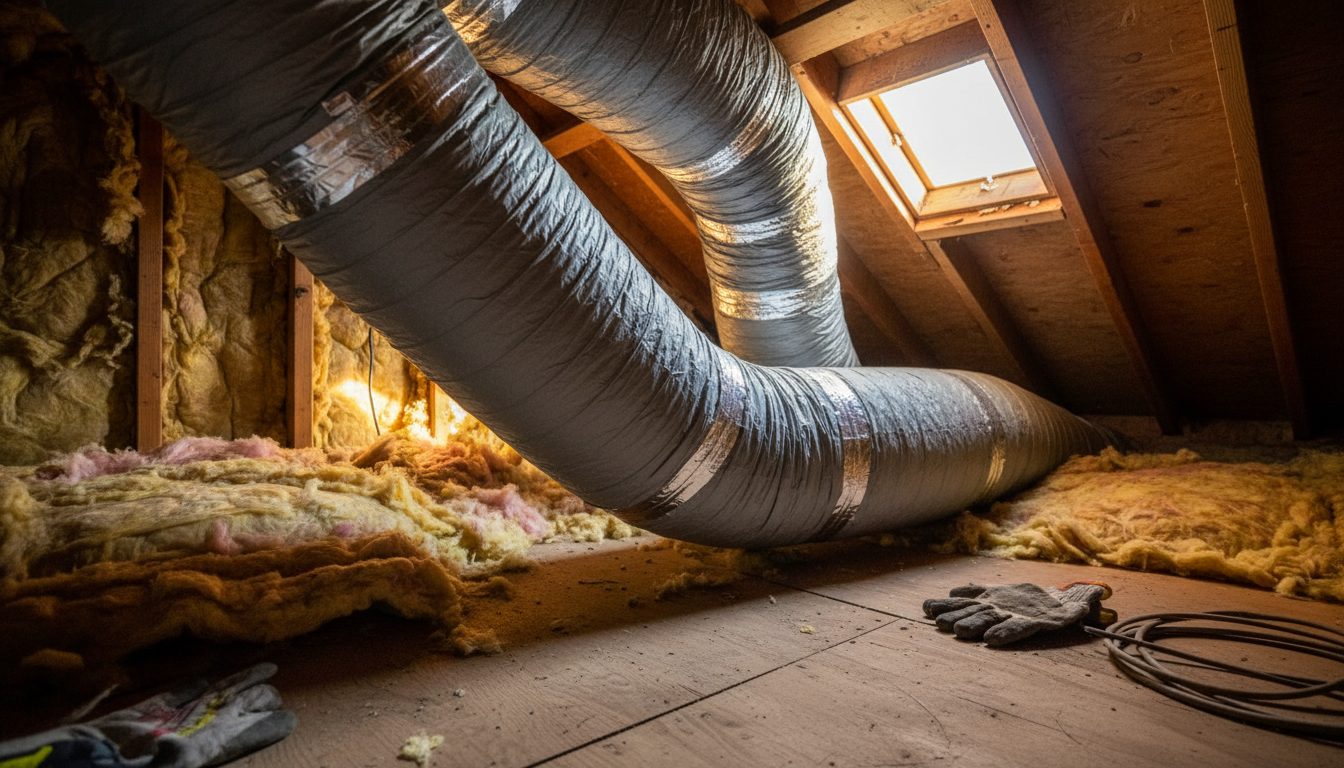 Ducts in a hot attic need good sealing and insulation.
It can make the thermostat misleading
A thermostat measures temperature where it is installed. It does not know that a west-facing bedroom is absorbing attic heat or that a second-floor hallway is warmer than the first floor.
This is why some rooms feel stuffy even when the thermostat reads 72 or 74 degrees. The system may be reaching the set temperature in one part of the house while other areas stay uncomfortable.
Warning signs that attic heat is affecting your AC
Attic heat is easy to overlook because it is hidden. Still, the house usually gives clues.
Look for these common signs:
- Upstairs rooms are much warmer than downstairs rooms
- The AC runs for long periods on hot afternoons
- The home feels humid even when the AC is on
- Cooling bills rise without a clear reason
- Some vents feel weak or warmer than others
- The ceiling feels warm to the touch in late afternoon
- The attic hatch is unsealed or poorly insulated
If several of these show up, attic heat may be part of the problem.
A cooling issue can still involve equipment. Dirty coils, low refrigerant, failing capacitors, worn blower parts, and clogged filters can also hurt performance. That is why a full check should look at both the HVAC system and the home’s heat load.
For homeowners comparing services air conditioner hvac repair air conditioning heating and cooling heating and air conditioning heating and ac cooling and heating options in Joliet, the best approach is to look beyond the outdoor unit and include the attic, ducts, and airflow.
Practical ways to reduce attic heat problems
Fixing attic heat does not always mean one big project. Often, the best results come from several targeted improvements.
Seal air leaks first
Air sealing helps keep attic heat, dust, and humidity from moving into the living space. Common leak points include attic access panels, light fixtures, top plates, bath fans, and utility penetrations.
The U.S. Department of Energy recommends addressing air leaks along with insulation because insulation works better when uncontrolled airflow is reduced.
Improve attic insulation
Insulation slows heat transfer. In the Joliet area, many homes benefit from checking insulation depth, coverage, and condition. Insulation should be even, dry, and not compressed.
If insulation has gaps, heat will find them. Think of it like wearing a winter coat with the zipper open. The coat still exists, but it cannot do its job well.
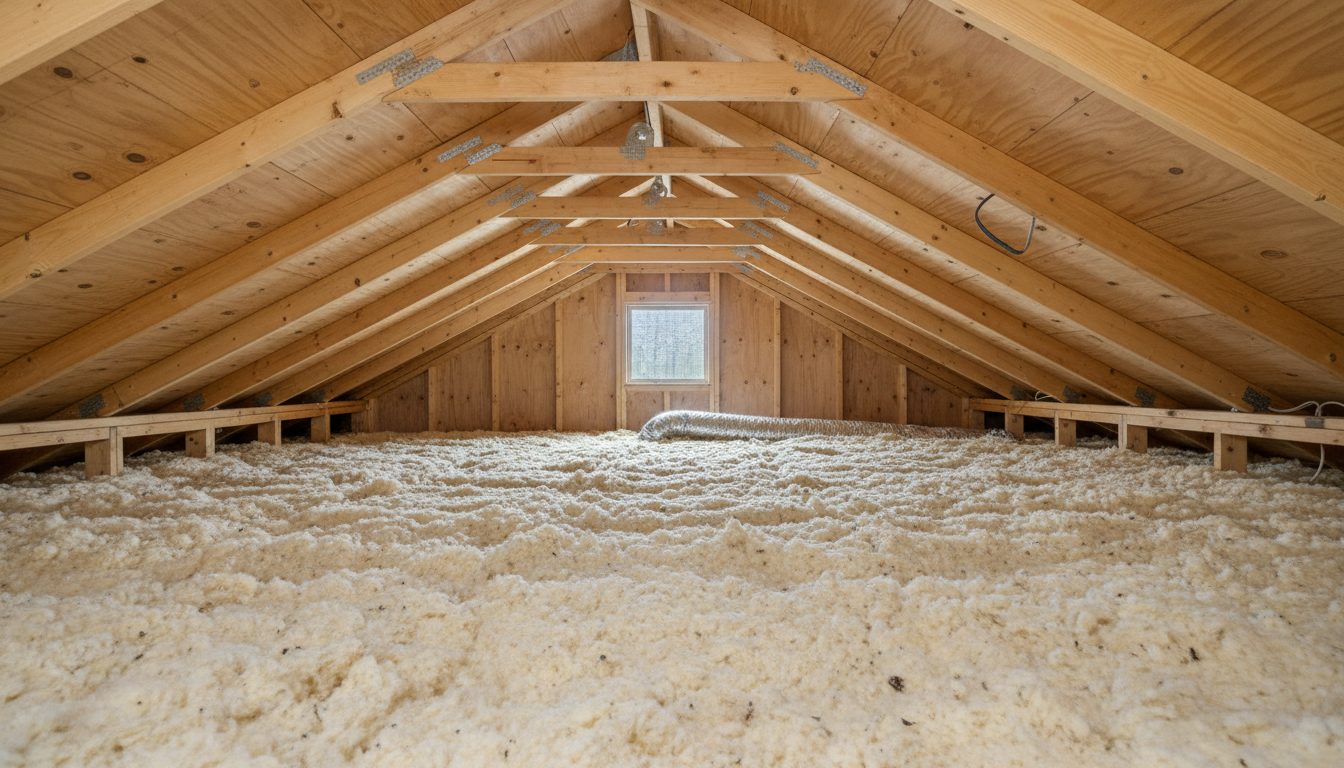 Even insulation helps slow heat moving into the home.
Check attic ventilation
Ventilation helps hot air escape and allows cooler outside air to enter. Ridge vents, soffit vents, gable vents, and roof vents can all play a role, but they need to be balanced. Blocked soffit vents are a common issue, especially when insulation is pushed too far toward the eaves.
Good ventilation does not replace insulation or air sealing. It supports them.
Seal and insulate ducts
If ducts run through the attic, they should be sealed at joints and connections. Duct insulation should be intact and properly fitted. Even small leaks can waste cooled air and pull attic heat into the system.
A qualified HVAC technician can test airflow, inspect duct condition, and check whether the system is moving air the way it should.
When to call an HVAC professional in Joliet
If the AC runs constantly, rooms stay uneven, or utility bills keep climbing, it is time for a deeper inspection. A technician can check the air conditioner, ductwork, refrigerant charge, blower performance, thermostat placement, and filter condition.
A home comfort issue is rarely solved by guessing. The attic may need air sealing or insulation, while the AC may need cleaning, repair, or airflow adjustments.
For local help, schedule service with Zark HVAC to have your cooling system and comfort concerns reviewed by a professional familiar with Joliet-area homes.
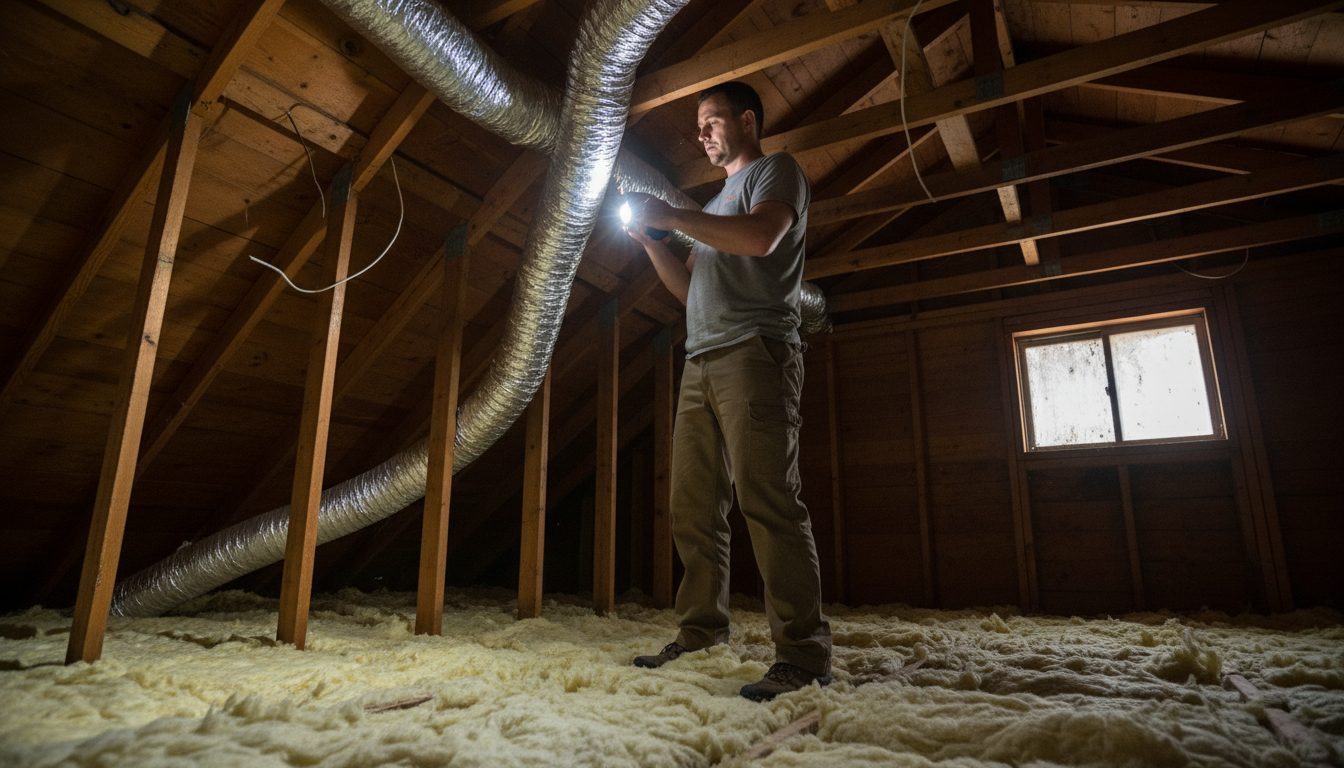 A professional inspection can connect attic issues with AC performance.
The takeaway for Joliet homeowners
Attic heat can quietly drain cooling performance, even when the air conditioner is working. It can warm rooms, weaken duct efficiency, increase run times, and make comfort feel uneven across the house.
The fix starts above the ceiling. Seal air leaks, improve insulation, check ventilation, and make sure attic ducts are sealed and insulated. Pair those steps with a proper HVAC inspection, and the home has a much better chance of staying cool through a Joliet summer.
Targeted keywords: attic heat Joliet IL, AC performance Joliet, air conditioning repair Joliet IL, HVAC repair Joliet IL, attic insulation and cooling, hot attic cooling problems, Joliet heating and cooling, ductwork repair Joliet, home cooling efficiency, air conditioner service Joliet IL