
If the first floor feels fine but the bedrooms upstairs feel sticky and hot by bedtime, the problem is usually not “just summer.” Many Joliet, IL homes deal with this every year, especially older two-story houses near Cathedral Area, West Side, Shorewood, Plainfield, and Lockport. Heat rises, but poor airflow, weak insulation, duct leaks, and aging cooling equipment can make the second floor feel several degrees warmer than the rest of the home.
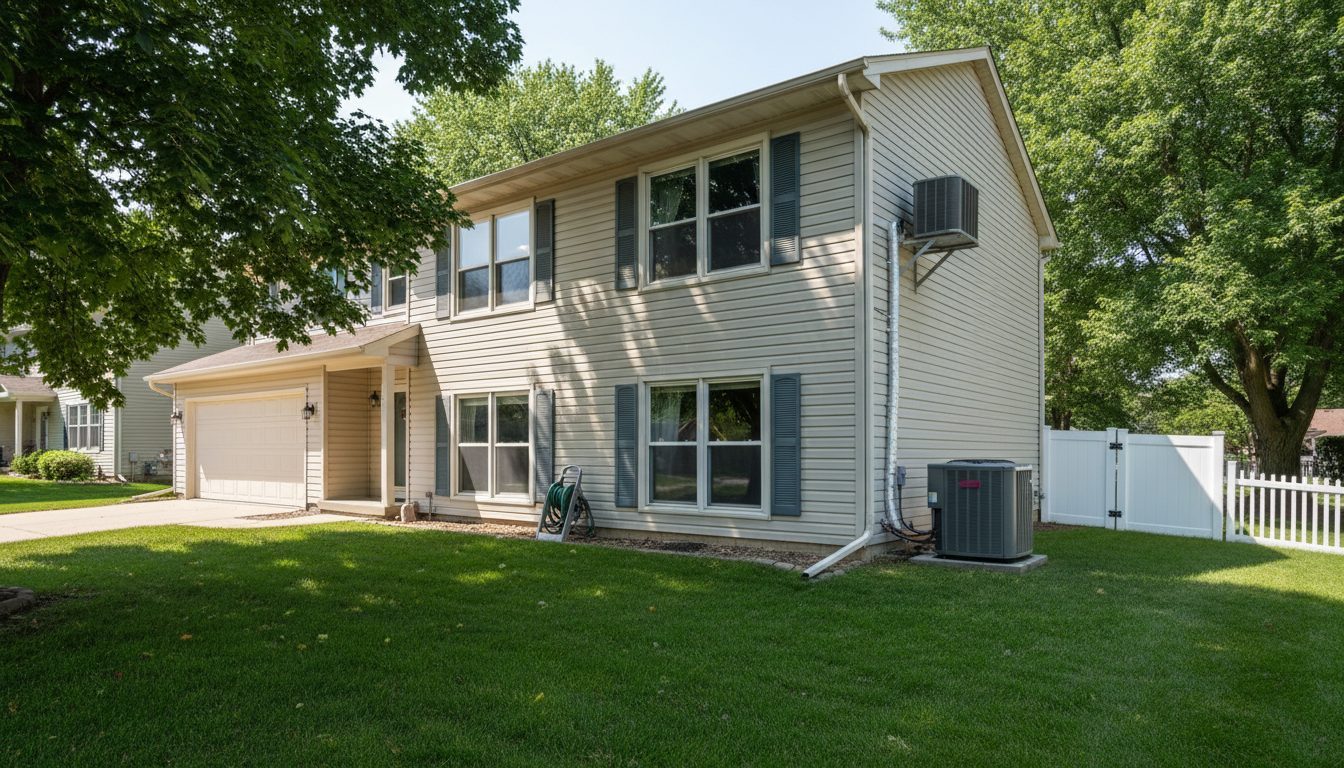 Two-story homes often heat unevenly when the attic and ducts are not well controlled.
Heat builds upstairs faster than most homeowners expect
Upper floors take heat from several directions at once. The roof absorbs sun all day, the attic traps hot air, and that heat presses down into upstairs bedrooms and hallways. At the same time, warm air from the first floor naturally rises through stairwells, gaps, and open spaces.
That mix matters in Will County summers, where muggy afternoons can make indoor comfort harder to control. If the air conditioner runs often but the upstairs still feels warm, the system may be cooling the home unevenly rather than failing completely.
Common signs include:
- Bedrooms that stay hot after sunset
- A thermostat on the first floor that reaches the set temperature too soon
- Weak airflow from upstairs vents
- One or two rooms that are always warmer than the rest
- A cooling system that runs for long cycles on humid days
A small temperature difference between floors is normal. A large gap, especially one that affects sleep, points to a problem worth fixing.
Your attic may be pushing heat into the second floor
The attic is one of the biggest reasons Joliet homes stay hotter upstairs in summer. On a sunny day, attic temperatures can climb far above the outdoor temperature. If insulation is thin, uneven, compressed, or missing in spots, that heat moves into ceilings below.
Air leaks make the issue worse. Gaps around recessed lights, plumbing chases, attic hatches, bathroom fans, and wiring holes allow hot attic air to mix with the upper level. The air conditioner then has to fight heat that keeps coming back.
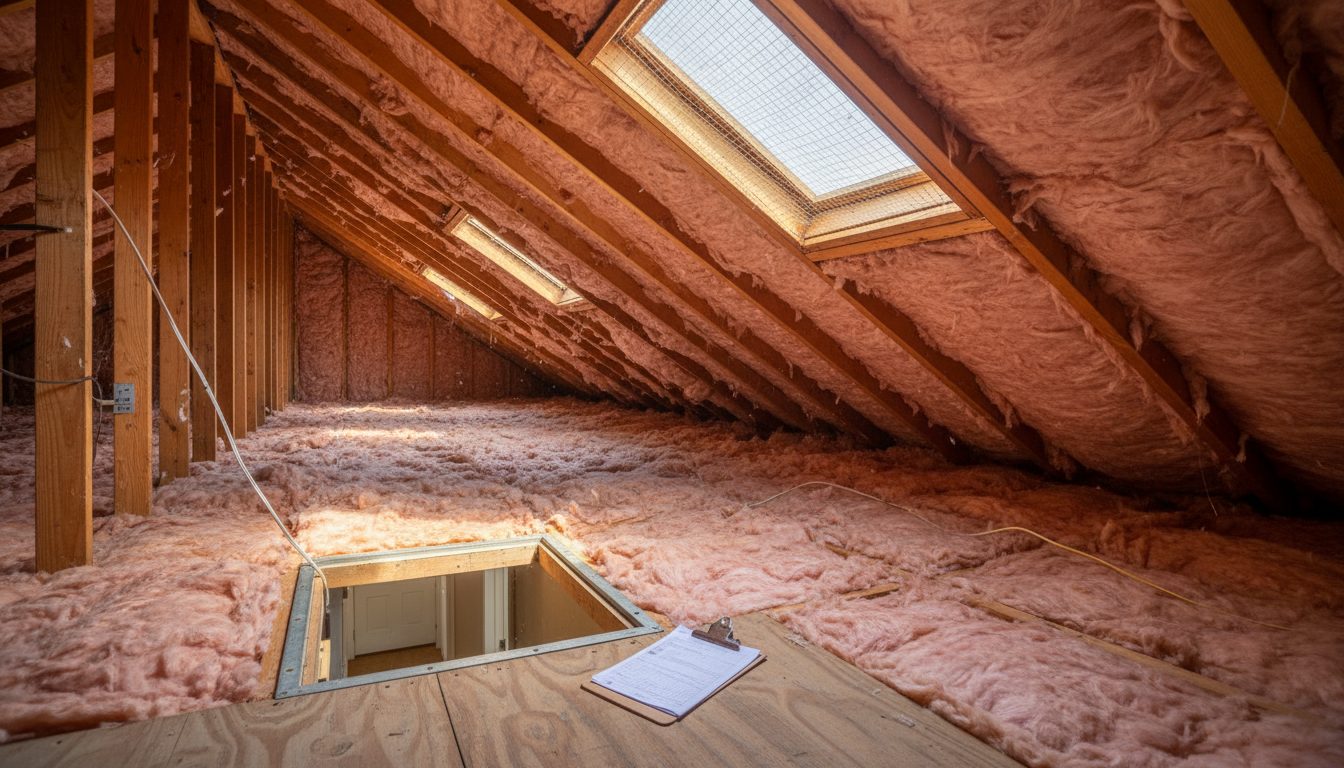 Attic insulation and air sealing can reduce heat transfer into upstairs rooms.
The fix often starts with air sealing before adding insulation. Sealing gaps helps stop unwanted air movement. Then insulation can do its job more effectively. ENERGY STAR offers helpful guidance on sealing and insulating homes, which is a good starting point for understanding why both steps matter.
Good attic ventilation also helps. Intake vents and exhaust vents should work together so trapped heat can escape. Blocked soffits, poor vent placement, or too little ventilation can leave heat sitting above the second floor.
Ductwork can starve upstairs rooms of cool air
Even a strong air conditioner cannot cool upstairs rooms well if the ducts are not delivering enough air. Many two-story homes have duct runs that travel farther to reach the second floor. Longer runs create more chances for leaks, bends, restrictions, and pressure loss.
Upstairs airflow can suffer when:
- Duct joints leak in the attic, basement, or wall cavities
- Supply vents are blocked by furniture or rugs
- Return air vents are undersized or missing upstairs
- Dampers are closed or poorly balanced
- Flexible duct is crushed, kinked, or poorly supported
A common mistake is closing too many first-floor vents to “force” air upstairs. This can raise pressure inside the duct system and reduce overall performance. It may also strain the blower motor.
A better solution is air balancing. A technician can check airflow room by room, adjust dampers, inspect duct sizing, and look for leaks. In many cases, small duct improvements make a noticeable difference upstairs.
Thermostat placement can hide the real problem
If the thermostat sits on the first floor, it only knows the temperature near that wall. Once the lower level reaches the set point, the system shuts off, even if the upstairs bedrooms still need cooling.
This is common in Joliet-area homes with open staircases or shaded first floors. The lower level may cool quickly while the second floor continues absorbing heat from the attic and roof.
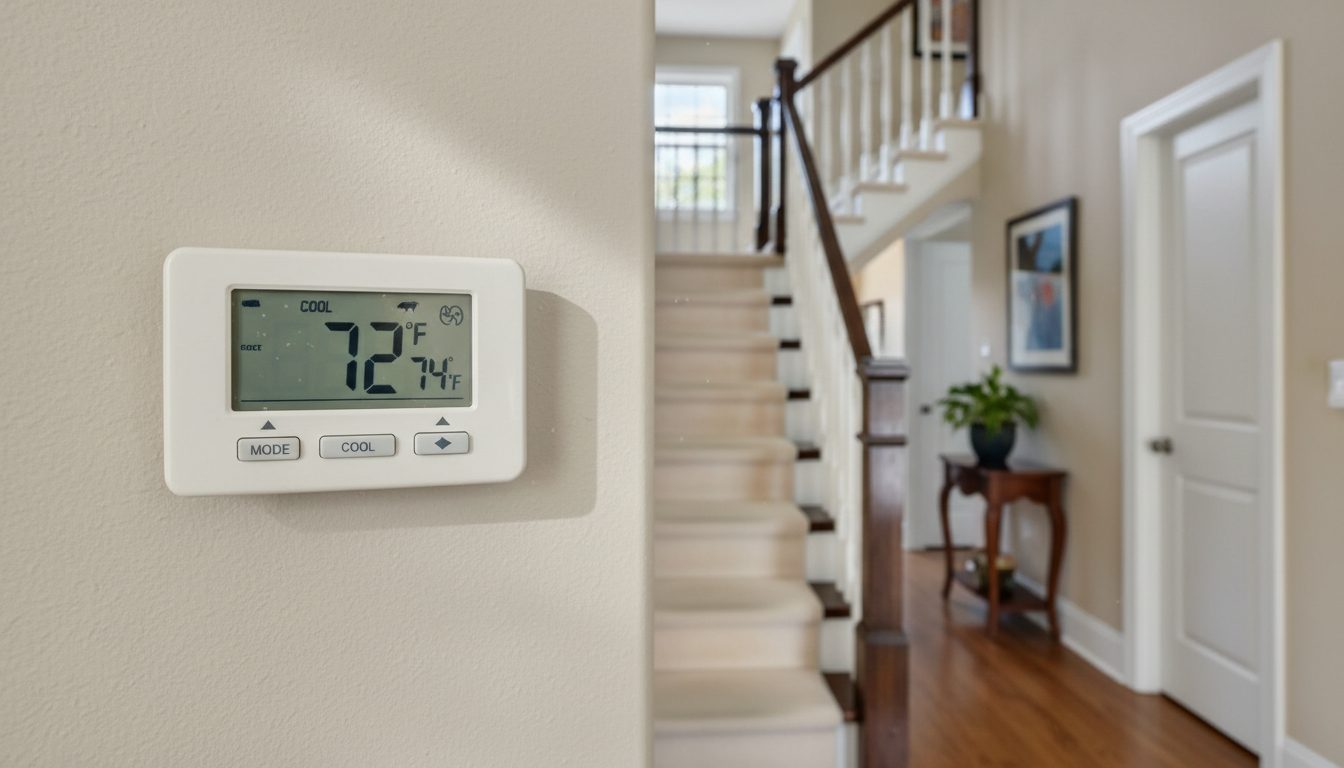 A first-floor thermostat may shut off cooling before upstairs rooms are comfortable.
Smart thermostats with remote sensors can help. A sensor placed in an upstairs bedroom gives the system better information. Some homes also benefit from zoning, which uses dampers and separate controls to send more cooling where it is needed.
Zoning is not right for every system, but it can be useful in larger two-story homes in Joliet, New Lenox, Plainfield, and Shorewood where floor-to-floor temperature swings are constant.
The air conditioner may be the wrong size or losing performance
An older or poorly matched cooling system can make upstairs comfort worse. If the unit is too small, it may run constantly and still fall behind during hot afternoons. If it is too large, it may cool the first floor quickly without running long enough to remove humidity or push enough conditioned air upstairs.
Other performance problems can also show up as a hot second floor:
- Dirty evaporator or condenser coils
- A clogged air filter
- Low refrigerant caused by a leak
- A weak blower motor
- Poorly set fan speed
- Blocked outdoor condenser airflow
This is where professional testing matters. Guessing can lead to expensive fixes that do not solve the real issue. If searches for services air conditioner hvac repair air conditioning heating and cooling heating and air conditioning heating and ac cooling and heating brought you here, the most useful next step is a full comfort check, not just a quick thermostat adjustment.
Practical fixes that usually help first
Start with the simple items, then move toward bigger upgrades if needed.
Check the air filter
A dirty filter reduces airflow throughout the home. Replace it on schedule, especially during heavy summer use.
Keep vents open and clear
Make sure upstairs supply vents and return vents are not blocked. Leave interior doors open when possible to improve air movement.
Use fans the right way
Ceiling fans should rotate counterclockwise in summer to create a cooling breeze. Fans cool people, not rooms, so turn them off when rooms are empty.
Seal obvious attic leaks
Weatherstrip the attic hatch and seal visible gaps where safe to do so. Larger air sealing projects are best handled by trained pros.
Schedule HVAC maintenance
A tune-up can uncover airflow, refrigerant, coil, and blower issues before the hottest part of summer.
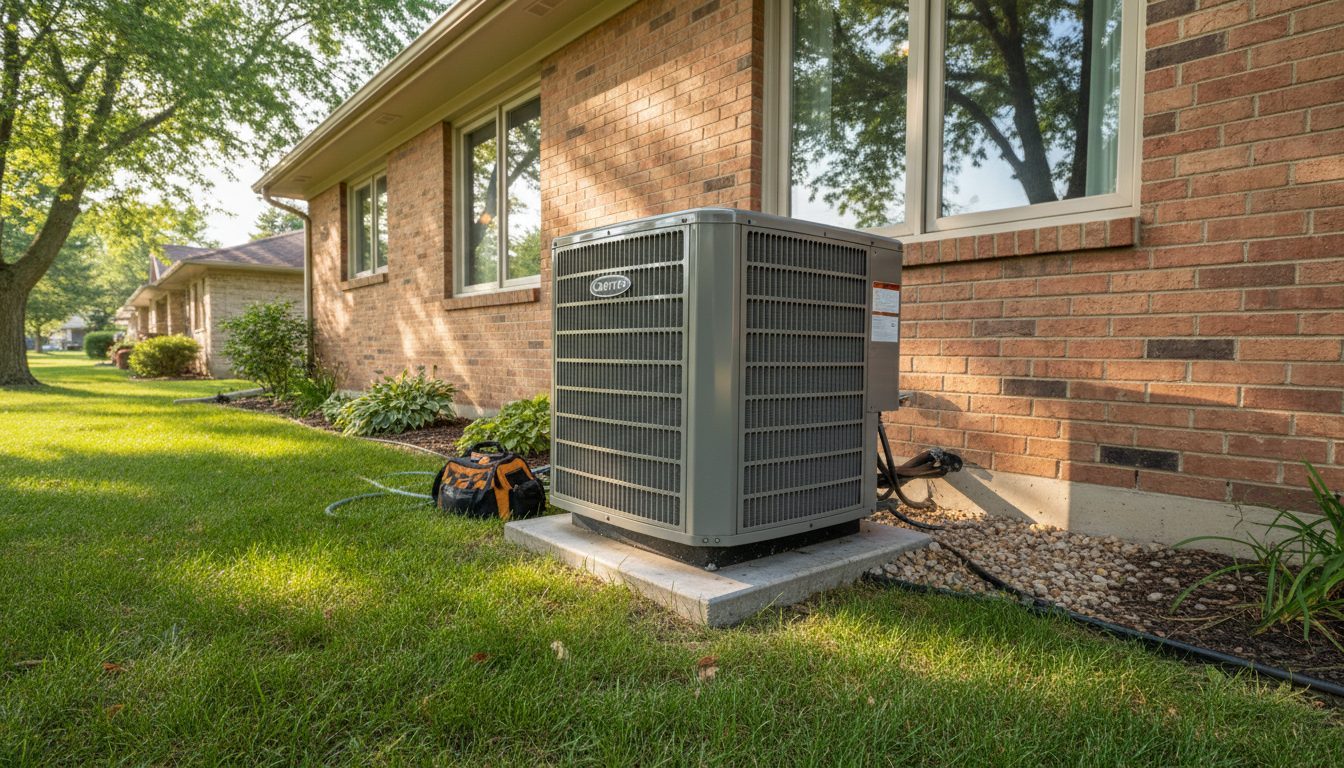 Outdoor AC performance affects how well cool air reaches every floor.
For a local comfort inspection or cooling system service, visit Zark HVAC and ask about solutions for uneven upstairs temperatures.
A cooler upstairs starts with the whole home
A hot second floor usually has more than one cause. Attic heat, duct leaks, thermostat location, humidity, and AC performance all work together. The best fix is the one that matches the home, not a one-size answer.
For many Joliet homes, the winning combination is better attic sealing, balanced airflow, clean HVAC equipment, and smarter temperature control. Handle those areas in the right order, and upstairs rooms can feel much closer to the comfort level downstairs.
Targeted keywords: Joliet HVAC repair, air conditioning repair Joliet IL, AC repair Joliet, heating and cooling Joliet, upstairs too hot in summer, uneven cooling in two-story home, air conditioner service Joliet, HVAC maintenance Joliet, attic insulation Joliet, ductwork repair Joliet, home cooling problems Joliet, air conditioning service near me